



Multipathway Phosphoproteomics Service
Protein phosphorylation is a reversible post-translational modification where amino acid residues in proteins are phosphorylated by kinases, which attach covalently bonded phosphate groups. This modification alters proteins' conformation, potentially activating, deactivating, or changing their functions. Research into protein phosphorylation enhances our understanding of biological processes and helps to define the mechanisms of diseases linked to abnormal phosphorylation levels. Due to the low concentration and broad dynamic range of phosphorylated proteins in biological samples, enrichment of phosphorylated peptides is essential before performing quantitative proteomics to increase the detectability of these modifications.
MtoZ Biolabs employs the Multi-Pathway Enrichment Kit from CST company, along with Thermo Fisher's Orbitrap Fusion Lumos mass spectrometer and nanoLC, to offer comprehensive Multipathway Phosphoproteomics Service. Clients need only specify their research goals and submit their samples; MtoZ Biolabs manages all subsequent steps including protein extraction, digestion, phosphorylated peptide enrichment, peptide separation, mass spectrometric analysis, analysis of raw data, and bioinformatics.
Analysis Workflow
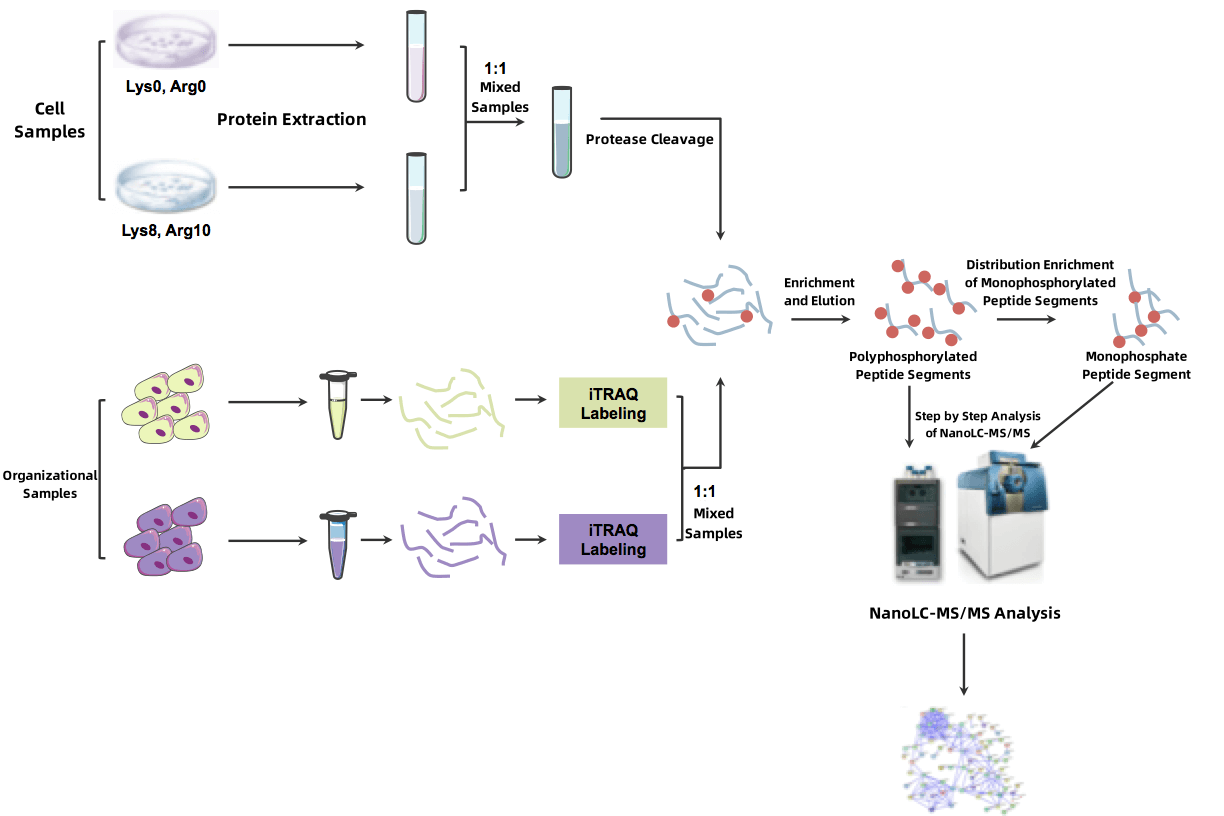
Figure 1. Multipath Protein Phosphorylation Proteomics
Sample Submission Requirements
1. Sample Type
(1) Tissue Samples
The recommended sample requirements are 2 g for plant tissues, 100 mg for animal tissues, 50 µL for serum/plasma (with plasma anticoagulated using EDTA), 2 mL for urine, and 2x10⁷ cells for cell samples. For yeast and other microorganisms, a dry weight of 500 mg is recommended.
(2) Protein Samples
Ensure a minimum of 1 mg total protein. Use standard lysis solutions for tissue and cell extraction.
2. Sample Shipping
Transport samples with adequate dry ice and opt for expedited shipping to minimize degradation risks during transit.
3. Sample Testing
We evaluate all samples before commencing the actual experiments. Testing must confirm sample integrity before proceeding with formal analyses.
Applications
- Neurodegenerative Diseases
- Tumor Pathogenesis
- Pharmacological Target Research
How to order?



